As organizations adopt DevOps to accelerate software delivery, security cannot be an afterthought. DevSecOps, the integration of security practices within the DevOps pipeline, is essential for building secure applications from the ground up.
1. Shift Security Left
Moving security earlier in the development lifecycle helps identify and remediate vulnerabilities before they become costly issues. Implement security checks at the earliest stages of development, including requirements gathering and design phases.
2. Automate Security Testing
Manual security testing does not scale in fast-paced development environments. Integrate automated security testing tools into your CI/CD pipeline, including Static Application Security Testing (SAST), Dynamic Application Security Testing (DAST), and Software Composition Analysis (SCA).
# Example GitHub Actions workflow for security scanning
name: Security Scan
on: [push, pull_request]
jobs:
  security:
    runs-on: ubuntu-latest
    steps:
      - uses: actions/checkout@v2
      - name: Run SAST
        run: npm run security:sast
      - name: Run dependency check
        run: npm audit
3. Implement Infrastructure as Code (IaC) Security Scanning
As infrastructure becomes code, it is crucial to scan IaC templates for security misconfigurations before deployment. Tools like Checkov, Terrascan, and AWS CloudFormation Guard can identify issues in your infrastructure code.
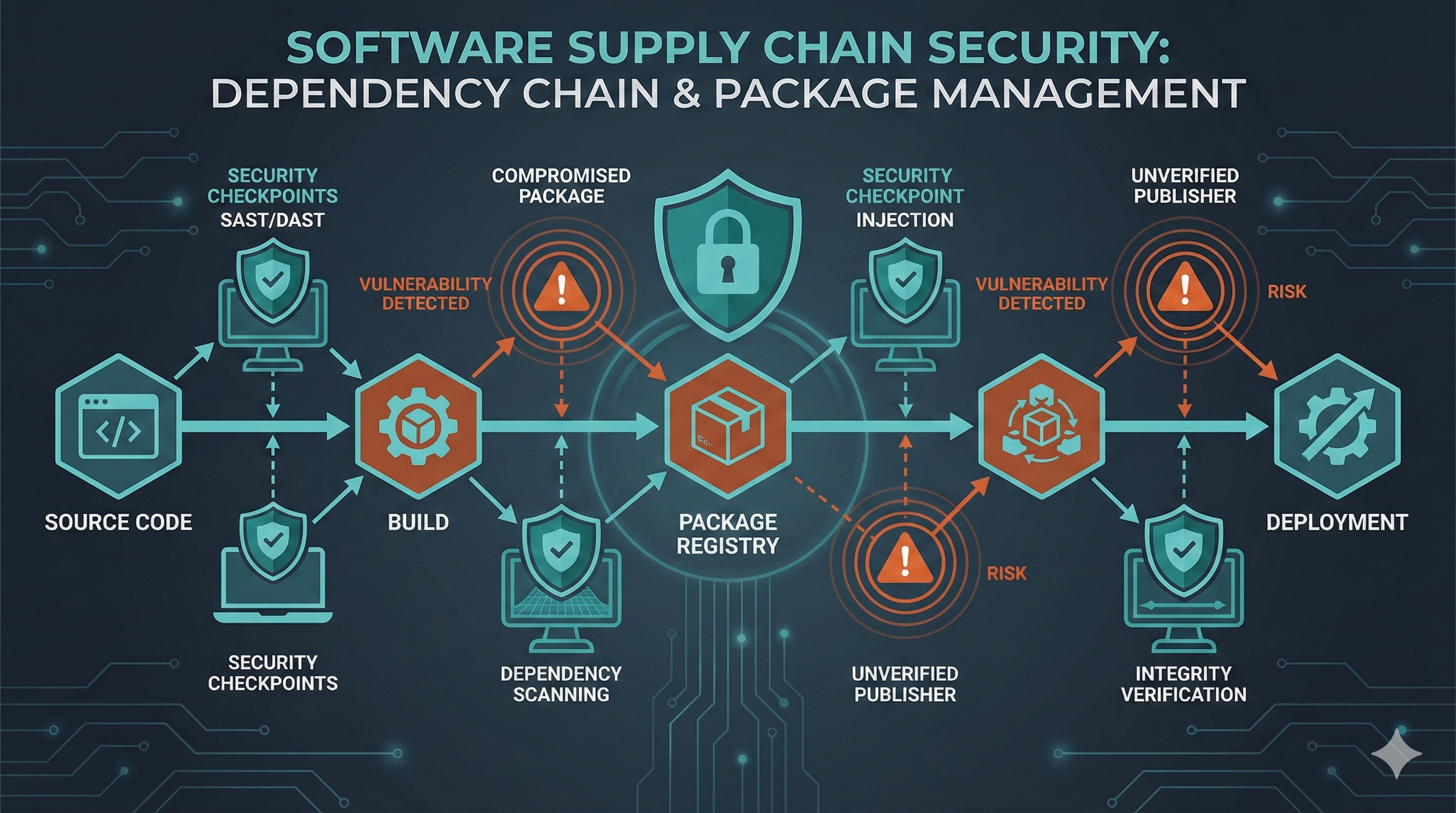
4. Secure Your Supply Chain
Modern applications rely heavily on open-source components and third-party libraries. Implement tools and practices to monitor and secure your software supply chain, including dependency scanning and a software bill of materials (SBOM).
5. Utilize Threat Modeling
Proactively identify potential threats to your applications through structured threat modeling exercises. This helps teams understand attack vectors and design appropriate security controls.
6. Implement Least Privilege Access
Follow the principle of least privilege for all system access, ensuring users and services have only the permissions they absolutely need to perform their functions.
7. Container Security
If using containers, implement security best practices including scanning container images, using minimal base images, running containers with non-root users, and implementing proper network policies.
8. Continuous Security Monitoring
Deploy tools for runtime security monitoring and anomaly detection to identify potential security incidents as they occur.
9. Security Champions Program
Create a security champions program within development teams to promote security awareness and serve as the first line of security expertise.
10. Security Training and Culture
Invest in ongoing security training for all team members. Building a culture of security awareness is as important as implementing technical controls.
Conclusion
Implementing these DevSecOps practices requires commitment and investment, but the benefits (reduced security incidents, faster remediation, and more secure applications) make it worthwhile. Start small, focus on high-impact practices, and continuously improve your security posture over time. If you need help getting started, talk to our DevSecOps team.